
City-led planning
Workforce scope aligned with Jeddah operating conditions
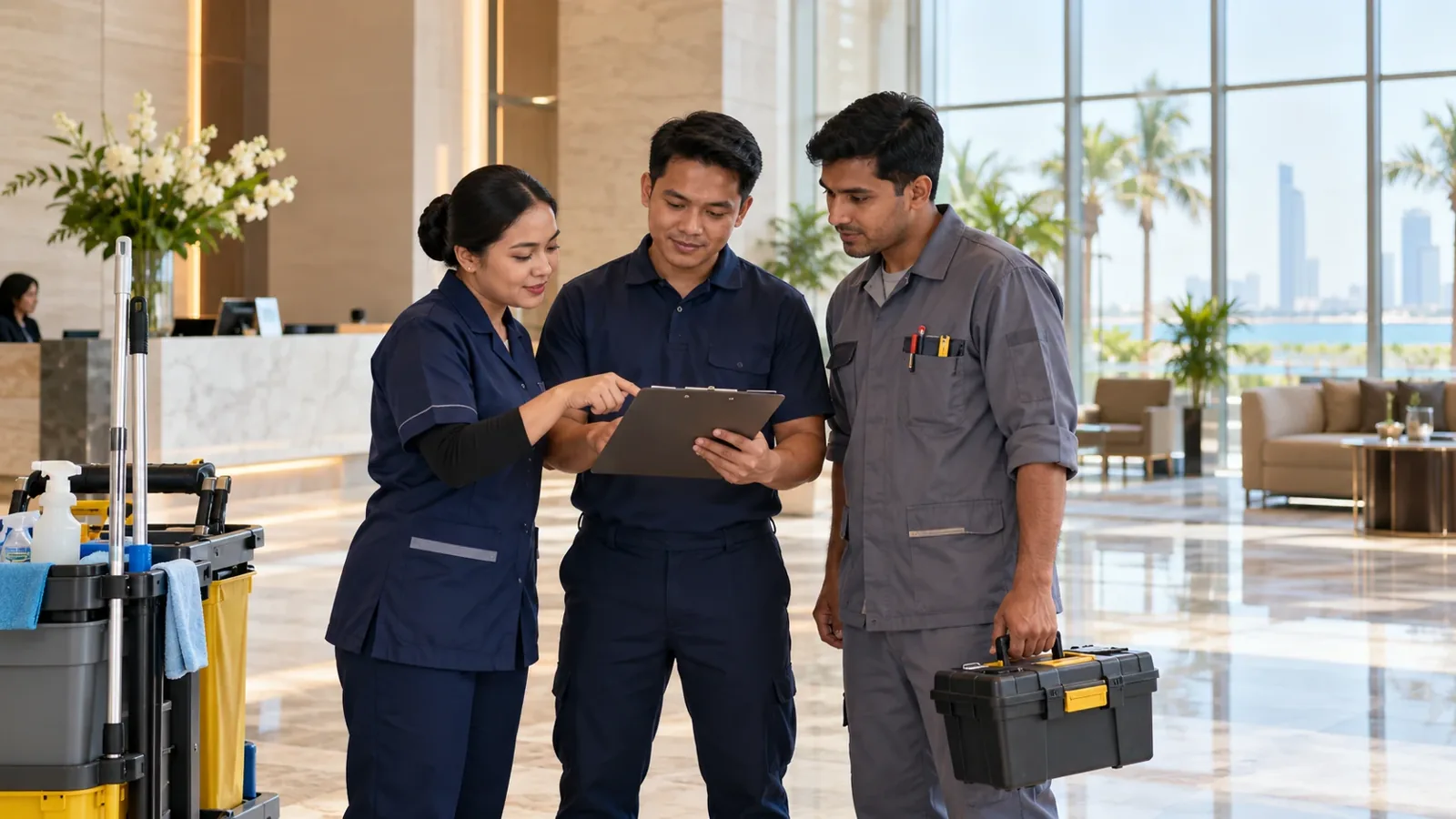
City workforce support
Prepare Jeddah hotel teams for changing visitor demand using confirmed bookings, operating scenarios and housekeeping, guest-service, F&B and relief plans.
Employer-facing manpower supply and workforce support for Jeddah operations.
Jeddah hotel workforce planning for 2026–2027 should connect confirmed business information with a practical operating plan. Red Sea visitor activity is relevant context, but a regional tourism announcement is not a forecast for one property. Start with the hotel’s reservations, group commitments, service scope and known operating calendar. Keep confirmed demand, an internal scenario and an unverified expectation visibly separate. This guide provides a way to prepare teams for changing demand without inventing visitor totals or a guaranteed hiring increase.
SPA reported active interest in Jeddah’s beaches and waterfronts during the 2026 summer season. Its broader Red Sea reporting describes developments in coastal and maritime tourism, while Cruise Saudi’s official information identifies AROYA as an Arabian cruise line. These sources establish relevant tourism activity and context. They do not prove a particular hotel’s occupancy, a 2027 visitor-growth percentage or a fixed number of jobs. Use them alongside the property’s own commercial records rather than convert them into a staffing forecast.
Prepare a normal operating scenario, a confirmed busy-period scenario and a contingency scenario for a change in demand. State the booking and service assumptions behind each one, including rooms in use, scheduled functions and opening hours. Assign an owner to update the assumptions as information changes. Scenarios should be internal planning cases, clearly labelled as such; they are not public claims about future citywide tourism. Review what each case means for tasks and coverage before turning it into a headcount request.
Room turnover depends on the property’s actual arrival and departure pattern, room types and agreed service standard. Plan preparation, cleaning, inspection and release as separate tasks with clear acceptance ownership. Allow the supervisor to report a room that remains unavailable rather than count it as ready. Do not use a universal rooms-per-cleaner figure to promise coverage. Review actual task records and equipment readiness, then adjust the roster when the booking pattern or service requirement changes.
Use confirmed arrival windows, group arrangements and the property’s service scope to identify guest-service coverage. Specify which team handles enquiries, escalations and coordination with other departments. Language and systems requirements should relate to the actual role. A larger team is useful only when responsibilities and reporting are clear. Check applicable occupation requirements before sourcing and allocating personnel; operational demand does not override the employer’s obligations for the role.
F&B planning should use confirmed meal services, outlets, group arrangements and scheduled functions. Identify preparation, service, clearing and reset tasks, then assign supervision for each service window. Keep restaurant, banquet and kitchen requirements distinct. A function may increase work in one outlet while normal operations continue elsewhere. Record what is included in a staffing request and who supplies equipment and materials, so a general hospitality brief does not leave essential responsibilities undefined.
Map entrances, circulation routes, washrooms and shared areas against the hotel’s agreed inspection routine. Plan work around guest movement and approved access arrangements. Supervisors should identify completed tasks, inaccessible areas and issues needing facilities support. Public-area cleaning and room turnover are different workstreams; moving workers between them without a record can leave an area uncovered. Review the priority order and the person who can approve a temporary reallocation.
For a confirmed function, prepare its own setup, guest-service, cleaning and close-down requirements. Record the venue area, access window, equipment responsibility and acceptance checks. Coordinate the event plan with continuing hotel operations, including shared routes and service areas. This article does not supply the detailed exhibition setup checklist covered in the separate Jeddah event workforce guide. Its focus is how a function changes the hotel’s overall operating roster and the assumptions behind that change.
A hotel may receive enquiries or bookings associated with maritime travel, but a published cruise development alone does not establish work for that property. Use confirmed reservations, transfer arrangements or an approved group commitment when planning coverage. Check schedules through the relevant current operator information before relying on a date. Avoid asserting an affiliation with a cruise company, port or tour organiser without documented authority. Keep the reception and transport arrangements specific to the business actually confirmed.
Identify duties that need continuous coverage and the process for reporting an absence. Confirm who can provide relief, what induction is needed and which tasks the relief worker may undertake. An available person is not automatically prepared for every hotel assignment. Keep the agreed escalation and communication process in the employer brief. Use the outcome of actual relief cases to improve the plan rather than advertise an unsupported guaranteed replacement time.
Before a demand peak, confirm department supervisors, equipment condition, approved materials and staff reporting arrangements. Identify the person who resolves an unavailable room, missing supply or access issue. Where transport or accommodation is part of the agreed employment or service arrangement, confirm its owner and readiness. These practical checks should accompany recruitment planning so an accepted candidate does not arrive into an assignment that the property has not organised.
A useful employer brief states the actual roles, quantities, workplace, operating windows, assessment criteria and decision contact. Mark the start window as a planning requirement and list approvals still pending. For affected tourism occupations, review the applicable localization guide before choosing the sourcing route. Keep the detailed national policy explanation in the separate localization resource. A busy-period forecast cannot justify publishing invented vacancies or presenting every overseas role as available.
After a busy period, compare assumptions with task completion, access delays, service observations and actual staffing. Identify what changed and whether the change concerns demand, workflow, equipment or coverage. Retain the evidence so the next planning cycle starts with the property’s own experience. Do not claim that one successful period predicts all of 2027. A useful outlook remains adjustable and states what evidence would cause the employer to revise its roster.
Keep a dated planning record naming the commercial owner, operations reviewer and recruitment decision maker. Review confirmed bookings and upcoming requirements at the employer’s chosen interval, and update official schedule or policy references before a new decision relies on them. The result should be an explainable workforce requirement for the actual property. Regional visitor growth can inform attention and preparation, while appointments and service promises should rest on verified business and authorised roles.
Use the property’s confirmed bookings and service requirements. Regional context does not establish a particular occupancy or headcount outcome.
Maintain clearly labelled internal operating scenarios and update their assumptions using confirmed business information and actual service records.
Actual roles, quantities, task scope, operating windows, supervision, equipment responsibilities and the attendance and relief process.
Confirm competence, authorised duties and supervision, and record any approved reallocation so another area is not left uncovered.
AL AHAD GROUP JOB SEEKER UPDATES
Follow the AL AHAD GROUP Saudi job channel for vacancy announcements and practical job-seeker guidance. Following the channel does not guarantee shortlisting, selection, visa processing or employment.